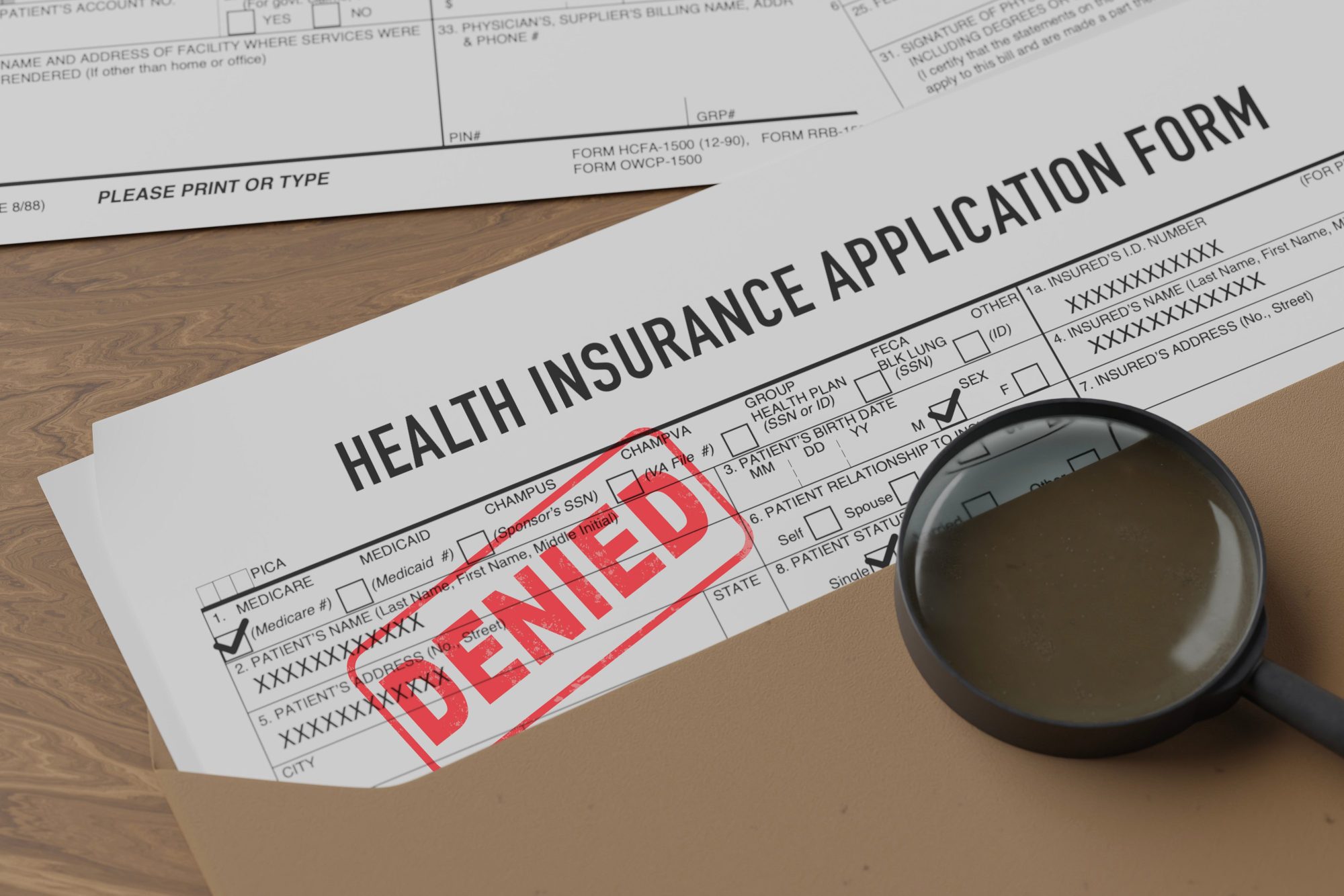
Receiving a denial letter for your long-term disability claim is devastating, especially when your own doctor agrees you cannot work. You might feel confused or even angry when the insurance company claims there is “insufficient evidence” to support your disability. How can they say that when your medical file is full of test results and office visits?
This is a common tactic used in ERISA and private disability claims. Insurance companies look for specific gaps in your records to justify a denial. Understanding these tactics is the first step toward turning that denial into an approval. Here is why your valid claim might be labeled “insufficient” and how we fight it.
Your doctor’s priority is treating your condition, not writing legal arguments. Standard medical records (chart notes) often lack the specific documentation insurers demand. A doctor might write “patient reports continued back pain” but fail to document the severity, frequency, or specific triggers of that pain during every visit.
To an insurer looking for a reason to say no, silence in the notes equals a cure. If your doctor doesn’t explicitly write that your condition remains severe in every single entry, the insurance adjuster may argue that your condition has improved, leading to a claim of “insufficient evidence.”
A diagnosis alone does not prove disability. You may have a confirmed diagnosis of Multiple Sclerosis or Degenerative Disc Disease, but the insurer needs to know exactly how that condition limits your ability to work. This is the difference between a medical diagnosis and “functional restrictions and limitations.”
Denials often happen because the medical records list symptoms but fail to translate them into work restrictions. For example, records might state you have “reduced range of motion,” but unless they specify that you “cannot reach overhead for more than 5 minutes per hour,” the insurer will argue there is no proof you cannot do your job.
One of the most frustrating aspects of the appeal process is the “file review.” Instead of examining you personally, the insurance company hires a third-party doctor to review your paper records. These reviewers are often paid by the very companies trying to deny your claim.
These “paper-only” reviewers frequently cherry-pick information. They might highlight one chart note where you reported feeling “a little better” while ignoring months of documentation showing severe disability. They use this selective reading to conclude that the objective evidence does not support your treating physician’s opinion.
When an insurance company relies on a hired reviewer to deny your claim, you need a strategic response. We do not just accept their findings; we challenge them.
Your legal team can strengthen your case by:
If you are facing a denial based on “insufficient evidence,” do not let the insurance company have the final word. Navigating an ERISA appeal requires specific legal insight and a deep understanding of medical evidence.
At Bartolic Law, we help clients like you secure the benefits they deserve. We know how to fill the gaps in medical records and effectively rebut insurance company tactics. Your financial stability and peace of mind are our priority.
Contact us today for a consultation and let us help you build the strongest possible appeal.



Attorney Advertising. This information is designed for general information only. The information presented should not be construed to be formal legal advice nor the formation of a lawyer/client relationship. Past results and testimonials are not a guarantee, warranty, or prediction of the outcome of your case, and should not be construed as such. Past results cannot guarantee future performance. Any result in a single case is not meant to create an expectation of similar results in future matters because each case involves many different factors, therefore, results will differ on a case-by-case basis. By providing contact information, users acknowledge and give explicit consent to be contacted via the methods of communication provided, including SMS. Message and data rates may apply. Message frequency may vary. Reply STOP to opt out.
NUVEW | Copyright 2026 All Rights Reserved | Privacy Policy