17 November, 2026
Michael
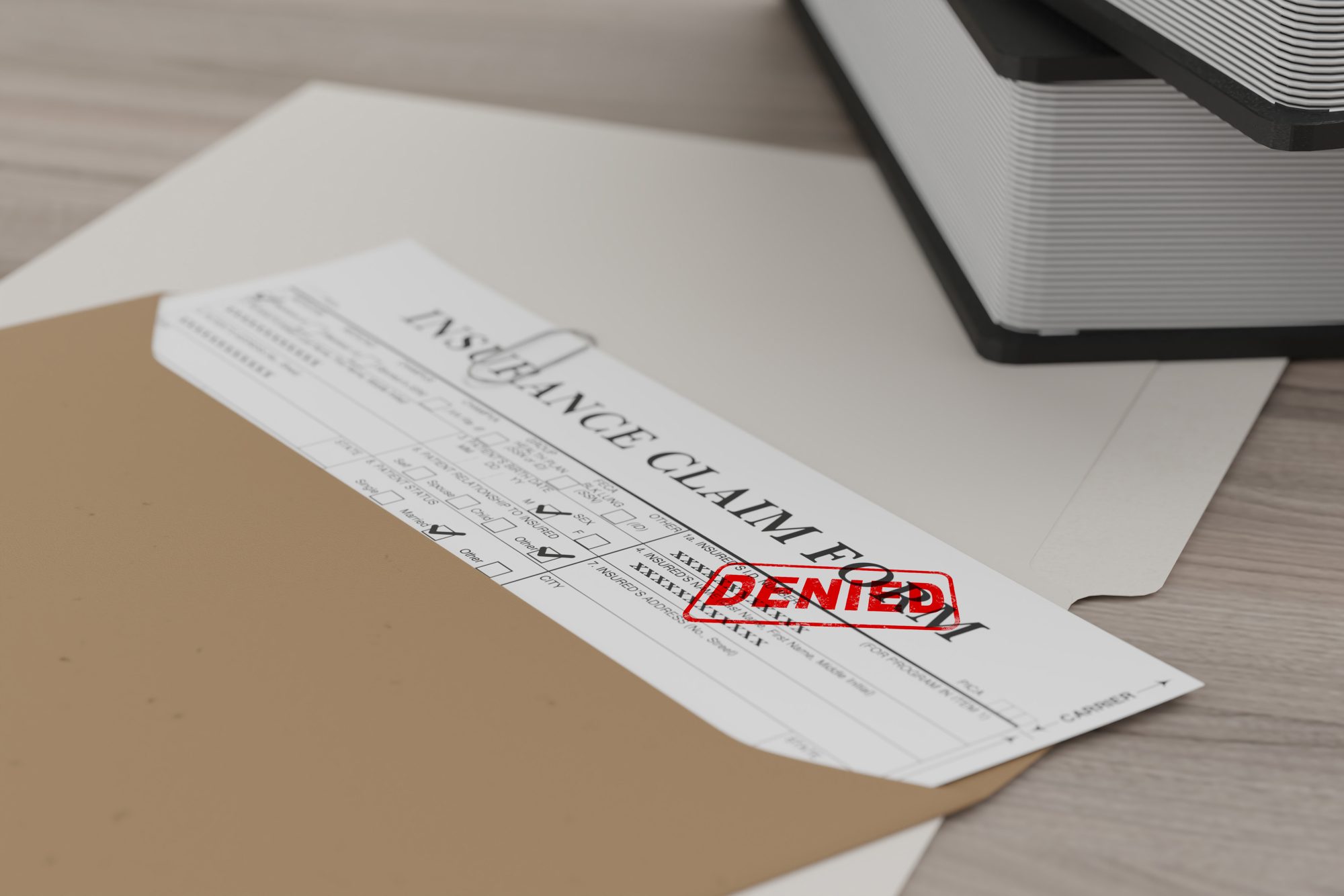
Believe it or not, insurers can deny your LTD appeal with a simple paper review. They never have to examine you in person. In other words, someone you’ve never met may disagree with the doctors who’ve treated you for years by just looking at your file and deciding you don’t qualify for benefits.
In fact, this happens more often than most people expect. Most ERISA-governed plans do allow this practice, but it raises serious questions about fairness.
Key Takeaways
- A paper review means a medical professional evaluates your claim using only your file, without an in-person exam.
- Non-examining reviewers can lawfully disagree with your treating providers, even without physically assessing you.
- Warning signs of a weak paper review include selective use of records, vague conclusions, and a mismatch between the reviewer’s specialty and your condition.
- You can respond to an unfavorable paper review before your appeal decision becomes final, and doing so quickly strengthens your position.
What Is a Paper Review in a Long-Term Disability Appeal?
A paper review, sometimes called a file review, occurs when an insurance company hires a medical professional to evaluate your disability claim based solely on your existing medical records. The reviewer never examines you, speaks with you, or observes how your condition affects your daily life. Instead, they form an opinion using test results, chart notes, and whatever documentation the insurer provides.
Insurers favor paper reviews because they’re faster and less costly than independent medical examinations. Under the Department of Labor’s ERISA claims procedure regulations, plans are permitted to consult with medical experts during an appeal, and nothing in the regulation requires that expert to examine the claimant physically.
How Can a Non-Examining Reviewer Disagree With Your Treating Providers?
Federal courts have held that ERISA plans aren’t required to give special deference to a treating physician’s opinion. In Black & Decker Disability Plan v. Nord, 538 U.S. 822 (2003), the Supreme Court confirmed that insurers may favor the conclusions of their own consultants over those of the doctors who actually treat you.
This means a reviewer can look at the same MRI, the same lab results, and the same clinical notes your doctor relied on, and then reach the opposite conclusion. Reviewers often argue that objective findings don’t fully support the level of impairment your doctor described, or they interpret ambiguous test results in the insurer’s favor.
What Should You Look for in an Unfavorable Paper Review?
Not all paper reviews hold up to scrutiny. When reading one, watch for these red flags:
- The reviewer cites only portions of your file while ignoring records that support your disability.
- Conclusions rely on generalized statements rather than specific findings tied to your diagnosis.
- The reviewer’s medical specialty does not match your actual condition; for example, an internist opining on a complex neurological disorder.
- The reviewer never attempted to contact your treating doctor, despite ERISA regulations encouraging that consultation.
These weaknesses often become the foundation for a successful appeal or, later, a strong argument in litigation.
How Can You Respond to a Paper Review Before the LTD Appeal Is Decided?
You don’t have to wait passively for a final decision. If you learn that an unfavorable paper review shaped your denial, you have options while your appeal remains open.
- Request a full copy of the reviewer’s report and any correspondence between the insurer and the reviewing doctor.
- Ask your treating physician to respond directly to the reviewer’s specific criticisms, point by point.
- Submit updated medical evidence, including new test results or a detailed narrative report, before your appeal deadline closes.
- Highlight inconsistencies between the reviewer’s conclusions and the objective medical findings already in your file.
Responding before a final decision gives you the strongest opportunity to correct the record while the insurer still has to consider your input.
Don’t Let a Desk Review Decide Your Future
A denial based on a paper review can feel deeply unfair, particularly when the person who wrote it never spent a minute with you. But an unfavorable review isn’t the end of your case. It’s a piece of evidence you can challenge, and often, it’s the weakest part of the insurer’s decision.
At Bartolic Law, we know how to identify the flaws in a non-examining reviewer’s opinion and build a record that holds up under judicial review. If you’re facing a long-term disability denial built on a paper review, schedule your evaluation with our team today.
Share Post on:
Recent Posts: